Patio Furniture Points to Check Before Summer Use
A patio can shift from storage space to everyday living space quickly once warmer weather arrives. Chairs that looked fine in autumn may have settled, collected dust, or picked up small marks during months of limited use. A short inspection before the first outdoor meal helps catch the simple things early, especially when furniture has been stacked, covered, or moved around a garage or shed.
The aim is not to turn a quiet afternoon into a maintenance project. Look for the details that affect comfort, stability, and how well each piece fits into daily use. Resin furniture is often chosen for outdoor settings because it is light, easy to move, and comfortable around pools, gardens, and dining areas. Those same qualities make a careful once over worthwhile before regular use resumes.
Frames, legs, and overall stability
Start with the structure. Set each chair on a flat surface and press down gently on the seat, then check that it does not rock unexpectedly or twist under normal hand pressure. Look at the legs and frame joints for cracks, deep scratches, or changes in shape. Small surface scuffs are common and may only be cosmetic, while a split near a joint can affect how the chair carries weight.
For stackable outdoor chairs, pay attention to the parts that guide one chair onto another. Bent rails, distorted backs, or damaged stack stops can make stacking feel tight and uneven. A stack that leans or grates against itself may also leave marks on the finish. If a chair does not sit neatly with the others, inspect it before adding more weight above it.

Seat, back, and contact points
Inspect the areas people actually touch. The seat and back should feel smooth, with no sharp edges, raised burrs, or rough patches that could catch clothing or skin. Resin surfaces can show rubbing where chairs have been dragged across paving or stored tightly together. That kind of wear does not always mean the chair is weak, but it is a sign to check the surrounding area more closely.
If cushions or pads are used, check their covers for mildew, stains, or flattened areas. Let them air fully before placing them outside, and make sure they are dry before they are stored in a closed box or cabinet. Moisture buildup can leave an unpleasant smell and may shorten the life of soft furnishings, even when the chair itself is in good shape.
Cleanliness before first use
Dust, pollen, and garden debris can settle into corners during storage. A quick clean makes the seating area more pleasant and also reveals problems that dirt can hide. Use mild soap with water and a soft brush for textured areas, then rinse well and allow the chair to dry completely before use.
Avoid harsh cleaners or abrasive pads on resin surfaces. They may remove marks in the short term but leave a dull patch that stands out once the rest of the furniture is clean. Pay attention to the underside of seats and the gaps where legs meet the frame, since these spots are easy to miss and can hold grit.
Among resin patio chairs, regular cleaning also helps preserve the even appearance of the material. Sun, soil, and regular foot traffic can make one chair look different from the next, especially in an outdoor dining set that is used often. A gentle routine keeps the whole group looking consistent without adding much time to the season.
Weather exposure and surface condition
Look for signs of prolonged UV exposure, such as faded colour, chalky patches, or a surface that feels unusually dry. Some change is normal for outdoor furniture kept in sunny places. The concern is when colour loss comes with brittleness, hairline cracks, or edges that no longer feel smooth.
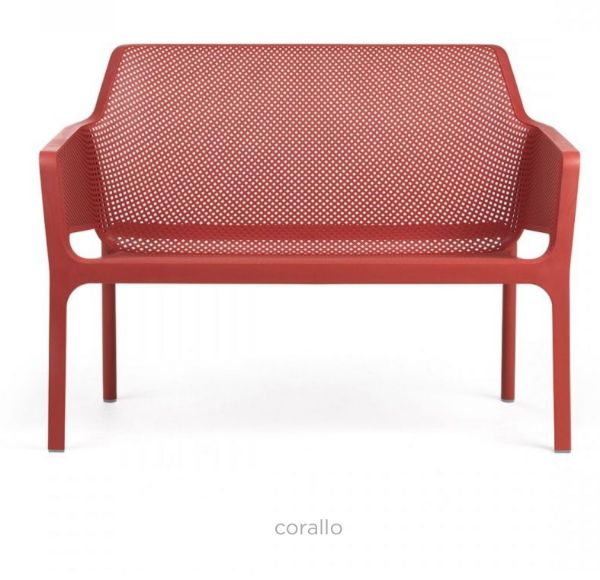
Compare chairs in the same set when possible. One piece that has spent a season at the edge of a patio may show more wear than the others. Rotating seating positions can even out sun exposure and reduce the chance that one chair ages faster than the rest. This is especially useful for poolside seating where sun, water, and splashed sunscreen all meet.
Protective covers can help during long wet spells or when furniture is unused for weeks, but they need to be used with care. A cover that traps dampness against the surface may cause more trouble than leaving the chair in a dry, shaded spot. Make sure covered furniture is dry first, and remove covers regularly so air can move through.
Stacking and storage details
Chairs that stack well save space and make seasonal setup far less awkward. Before putting a stack together, check that each chair is clean and dry. Grit between stacked frames can act like sandpaper when chairs are lifted or shifted. If one chair has a loose or damaged part, keep it out of the stack until it has been checked properly.
Think about stacking capacity as a practical limit, not a challenge. A tall stack can be heavy, unstable, and difficult to move safely on uneven paving. Shorter stacks are easier to control and reduce pressure on the lower chairs. When storing furniture for winter, choose a place with good airflow and avoid leaning heavy items against the backs of chairs, which can warp them over time.
Small parts and replacement planning
Some chair designs include removable components such as cushions, glides, or feet. Check that these sit securely and that nothing is missing. A small missing piece may seem minor, but it can lead to scraping, uneven seating, or marks on a deck. Keep any spare parts together in a labelled container so they are easy to find when needed.
If a chair has a broken component, look into replacement parts before treating the whole piece as finished. In many cases, a small part can restore useful function. If the damage affects the main frame or the chair feels unstable even after basic checks, it is safer to stop using it and seek qualified help rather than relying on a quick fix.
A short routine that is easy to repeat
The most useful inspection is the one that can be repeated without much fuss. A quick pass before summer and another during the season will catch changes caused by sun, rain, and regular use. The point is to notice small issues while they are still small.
Furniture kept outdoors has a simple job: to be ready when people sit down. Clean surfaces, steady frames, dry cushions, and sensible stacking all help make that happen. A few minutes of attention before the patio opens for the season can make the space feel more welcoming and keep the chairs working comfortably through busy weeks ahead.